.png)

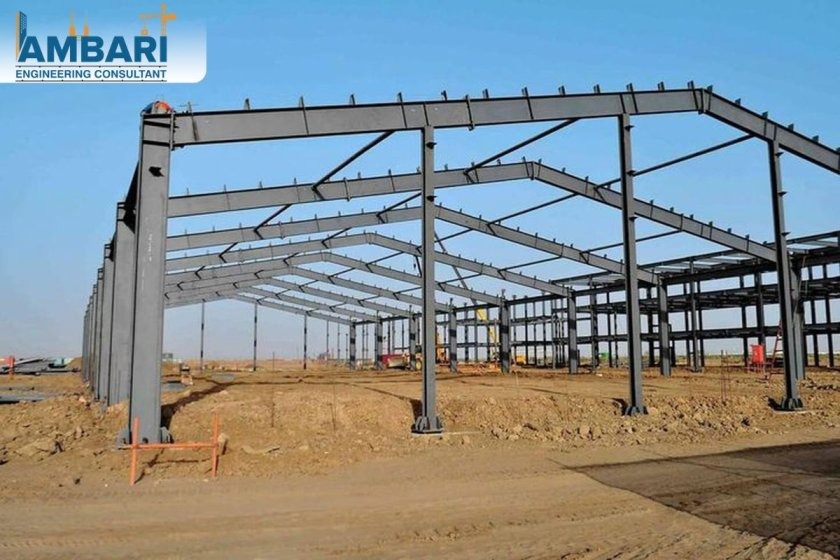
PEBs, which are also known as pre-engineered buildings, have transformed the way industrial and commercial buildings are planned today. They are quicker to construct, economical, and adaptable to future requirements. Nevertheless, this is not a successful project that occurs by chance. It depends on the correct planning at all levels. With proper planning, delays reduce, costs stay under control, and the final structure performs well for years.
PEB design and detailing services in India are significant to most expanding companies in the initial planning phases since errors made in the initial planning phase will cost the company a lot in the future. Moreover, the knowledge of all phases of PEB planning will enable the decision-makers to remain confident and informed during the project process.
The initial phase starts with clarity. The purpose of the project should be clear before any drawings or designs are made. It is either a warehouse, factory, showroom, or office space, but the final use determines it all.
Planners at this stage are concerned with:
Furthermore, a site study must be done well. The building design depends on soil condition, slope of the land, the direction of the wind, and the local climate.
Moreover, local regulations and authorizations have to be comprehended at the beginning to prevent problems in the future. Hence, a strong foundation of information makes the next stages smoother and faster..
When requirements are clear, concept planning starts. This phase defines the appearance and operation of the building. Here it is not about fine details but about the planning of the overall structure.
The following are the major factors to be taken into account:
This step may appear to be an easy one, but its effect on everyday productivity is tremendous. In the case of a commercial project, layout planning usually coincides with commercial interior design services in India, where the interior application is in balance with the exterior building.
Therefore, timely coordination saves time and eliminates the duplication of efforts.
It is one of the most significant steps of PEB planning. In this case, the idea is transformed into specific drawings and technical reports. The structural safety, thickness of the material, and load calculation are completed cautiously.
During this stage:
Besides, proper detailing can make the fabrication quick and easy to install. Nevertheless, omission of details or hasty approvals will result in delays. Hence, discretion and accuracy at this level safeguard the total project schedule.
Fabrication commences after approvals. The steel elements are produced under the controlled factory setting. This enhances quality and minimizes wastage as compared to on-site construction.
The main advantages of this phase are
Pre-engineered building fabrication in India is done under strict quality standards in most of the projects. Therefore, quality inspection in the fabrication stage is done to verify that all parts are in line with approved drawings.
Moreover, the delivery of materials to the site makes the installation process easy and predictable.
After fabrication is done, materials are taken to the site. Damage and delays are avoided through proper planning during the logistics. All the parts are marked in an easy-to-identify manner during the erection process.
During execution:
Additionally, the structure is strong and straight with experienced execution teams. A lot of owners of projects would like to deal with a turnkey solutions company in India since it takes care of planning, fabrication, and erection of the project under a single responsibility. However, it is easier to coordinate and maintain accountability.
Once the main structure is finished, interior and finishing work starts. The phase is significant to the industrial output and business comfort.
Interior planning includes:
Additionally, testing and inspection are carried out prior to the final handover. Load tests, water drainage, and electrical tests are to make sure that everything is alright. As such, the building can be used without any surprises.
PEB planning is not only about construction in a hurry but also about construction in a smart way. All the steps, from starting with the requirements comprehension to the eventual handover, are critical to project success. Risks are minimized, costs kept in check, and quality maintained when planning is done in phases.
In the case of industrial and commercial projects, one can depend on professionals who know how to design, fabricate, and execute, and this is what will be of value in the long term. However, these are the main steps that should be followed to ensure that businesses develop powerful, adaptable, and efficient buildings that will promote growth in the present and future.
What is the first step in PEB planning?
The first one is defining project needs, location, budget constraints, and expansion requirements in the future.
Why is design and detailing important in PEB projects?
Structural safety, quicker implementation, cost management, and the fabrication processes are guaranteed by proper design and detailing.
How does proper planning reduce project delays?
Planning prevents duplication, accelerates approvals, and enhances coordination and timely fabrication and installation of materials.
Is PEB planning suitable for both industrial and commercial buildings?
Yes, PEB planning is effective in factories, warehouses, offices, and commercial spaces of any size.