.png)

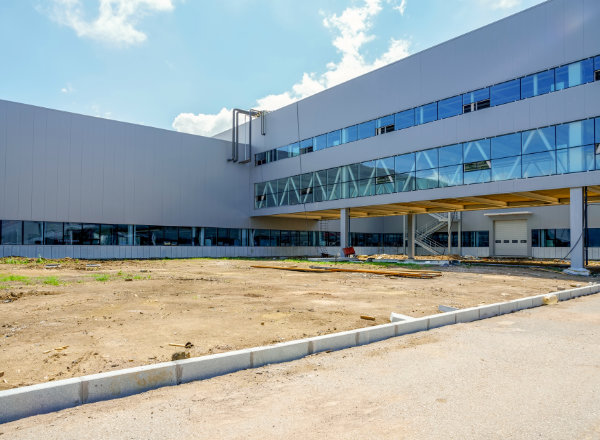
Industrial building design involves creating structures optimized for manufacturing, storage, or processing activities. Architects and engineers focus on efficient layouts, robust materials, and safety standards. Considerations include workflow, machinery placement, and sustainability. Designs aim to enhance productivity, safety, and environmental impact within the industrial setting.
Industrial structural design involves creating robust frameworks for buildings, bridges, and facilities, ensuring they withstand environmental forces and operational demands. Engineers use advanced materials and precise calculations to optimize safety and efficiency, meeting industry standards. This discipline blends creativity with technical expertise to deliver durable and functional structures for industrial applications.
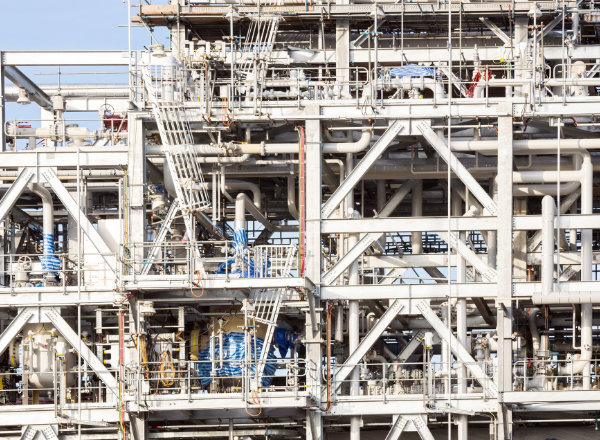
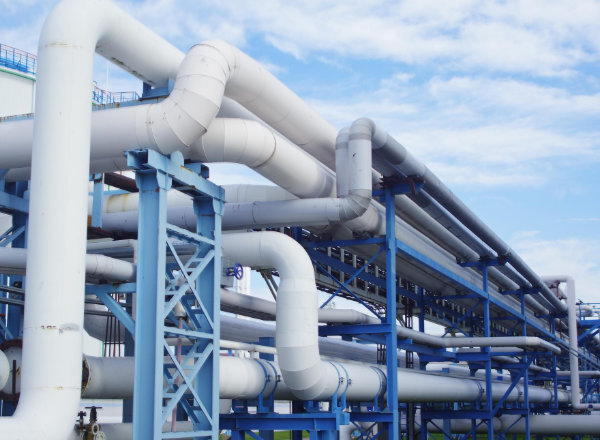
Pipe rack design involves creating a framework to support and organize pipes in industrial settings. It optimizes space, facilitates maintenance, and ensures safety by preventing clashes. Engineers consider factors like load-bearing capacity, material selection, and accessibility to create efficient and reliable pipe rack systems for various applications.
Steel bridge design involves the engineering and planning of structures primarily composed of steel components to support vehicular or pedestrian traffic across water bodies or challenging terrains. Combining strength, durability, and flexibility, steel bridges offer efficient solutions, ensuring safety, longevity, and minimal maintenance requirements in diverse environmental conditions.
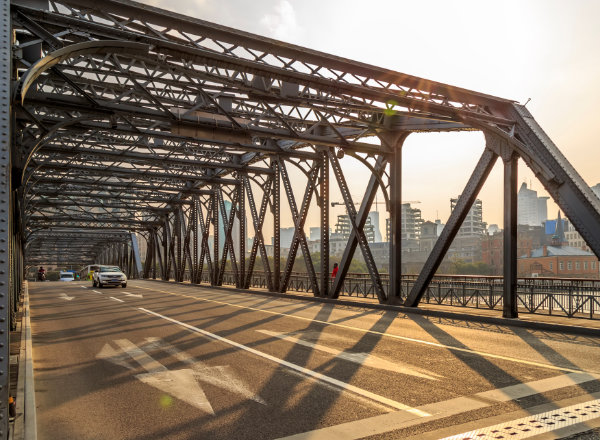
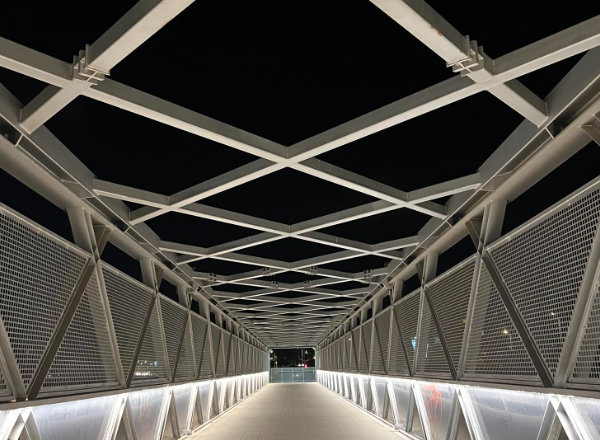
Walkways and foot-over designs are essential elements in urban planning, providing safe and convenient paths for pedestrians to navigate through public spaces. These structures blend functionality with aesthetics, offering pedestrians elevated crossings and well-designed pathways that enhance connectivity, accessibility, and overall urban experience.
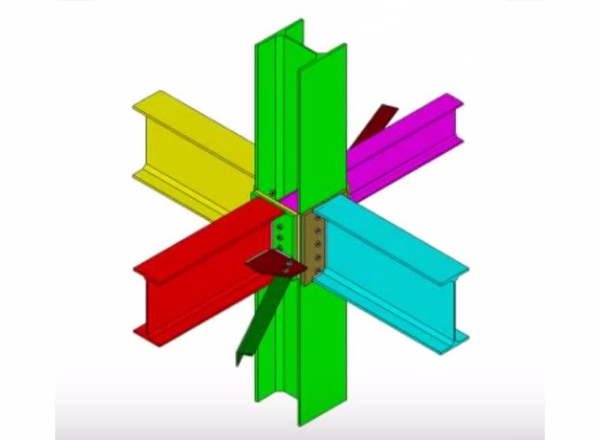
Connection design refers to the meticulous planning and engineering of joints or interfaces between structural elements in construction. It ensures stability, strength, and safety by determining the type and configuration of connections like bolts or welds. Proper connection design is vital for the integrity of buildings, bridges, and other structures.

Conveyor gallery design involves creating structures to support and enclose conveyor belts, ensuring safe material transport in industrial settings. Engineers consider factors like load capacity, material flow, and structural integrity to optimize functionality. Effective conveyor gallery design enhances efficiency, minimizes maintenance, and promotes workplace safety.
